←
Back
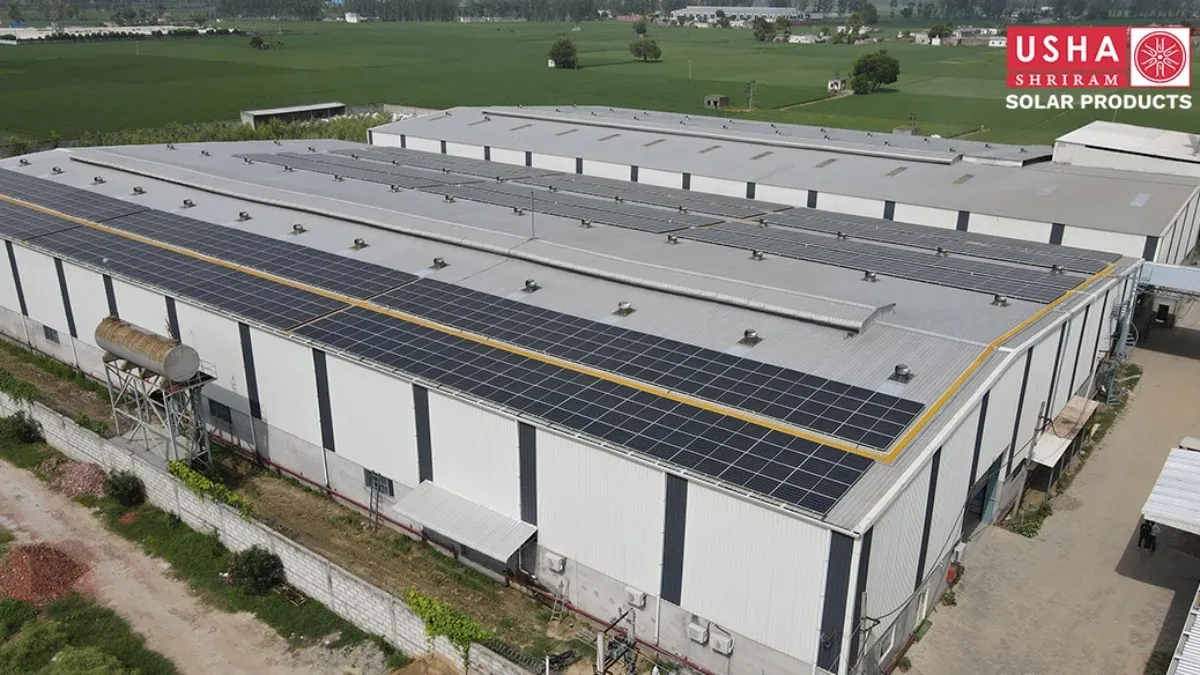
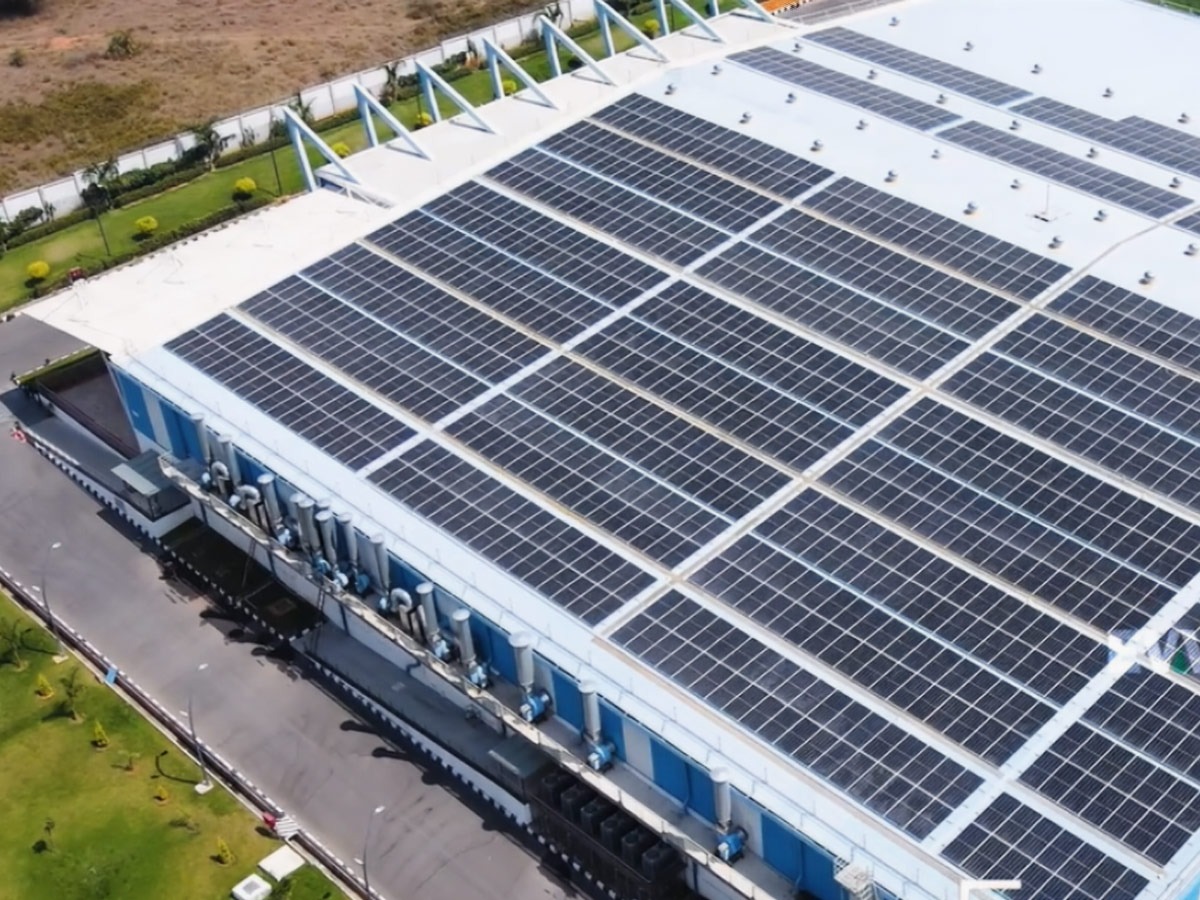
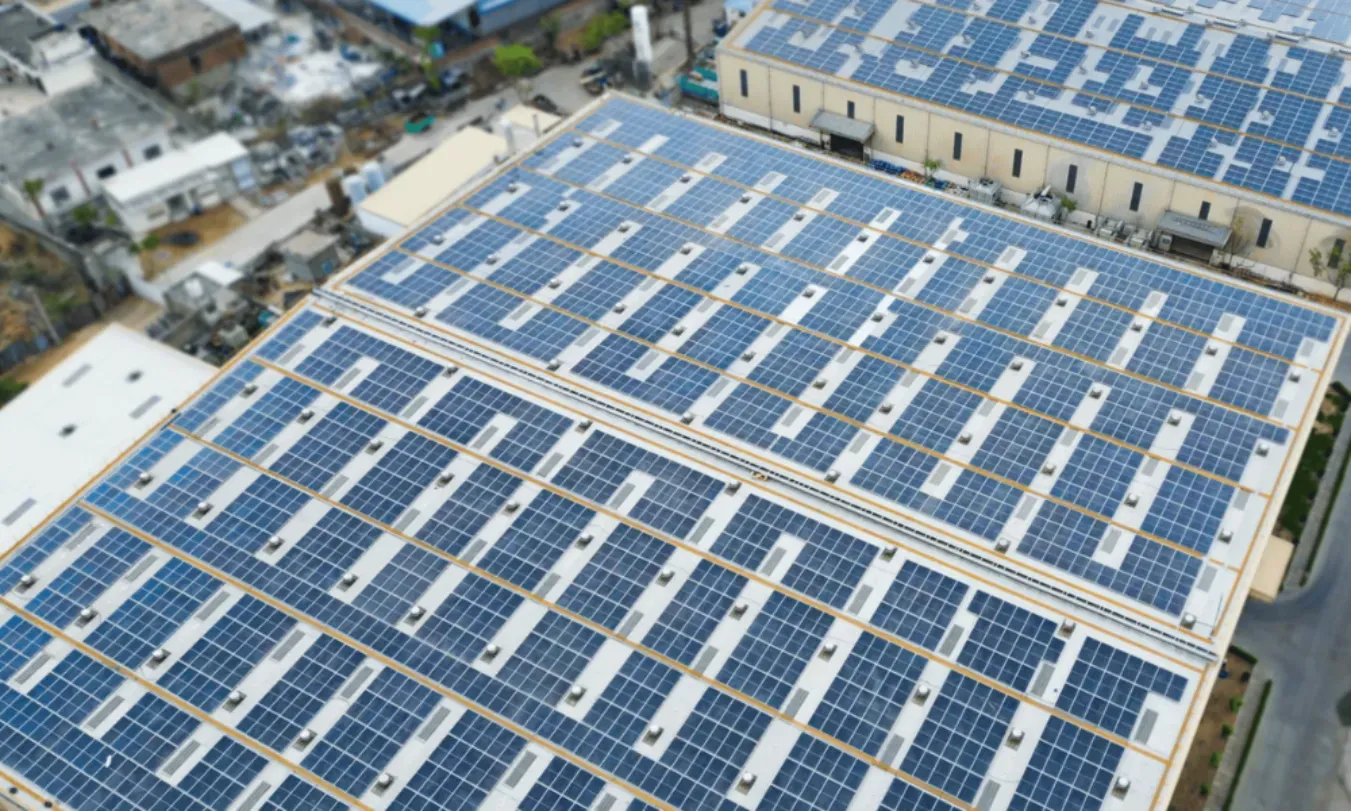
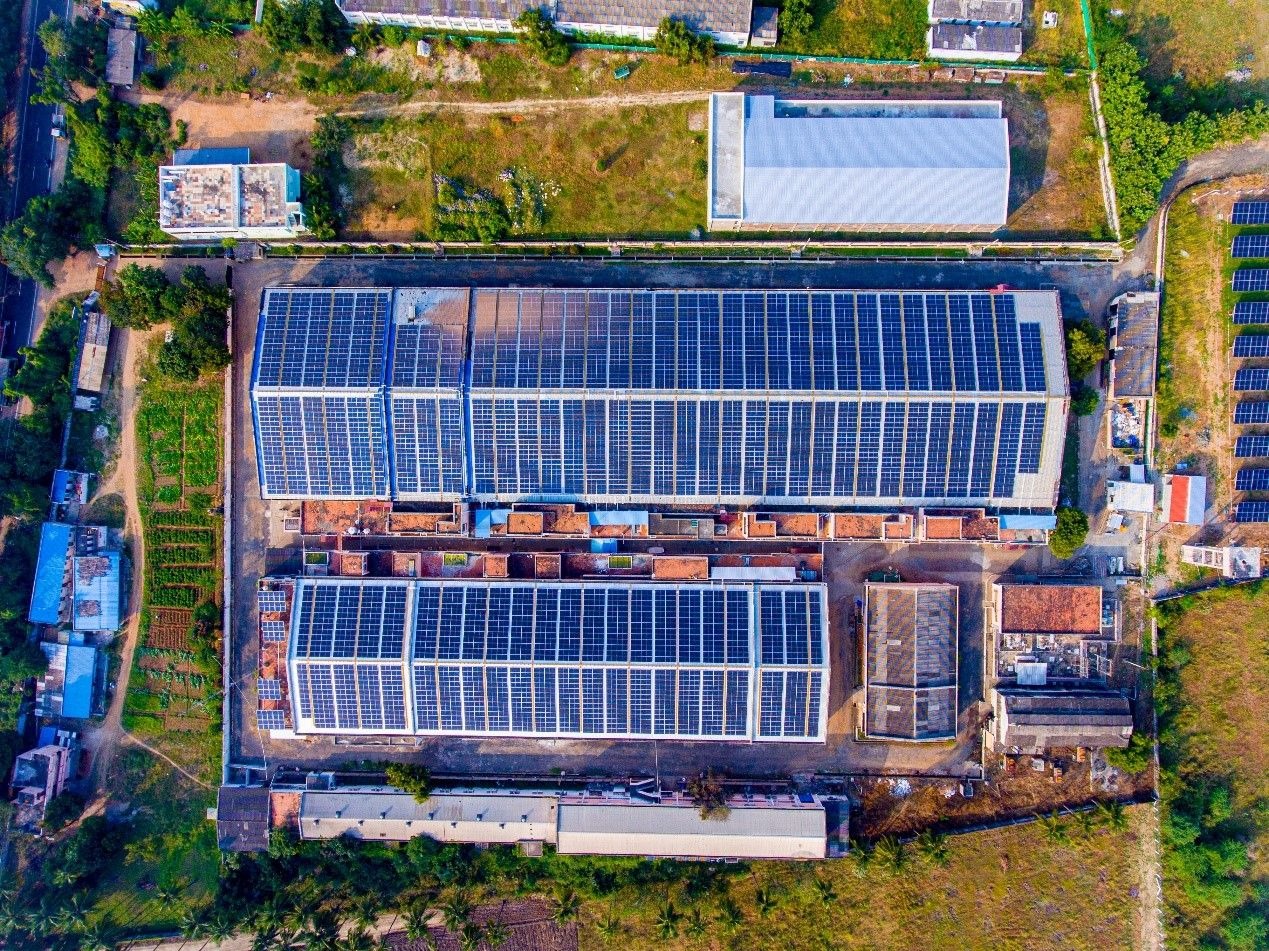
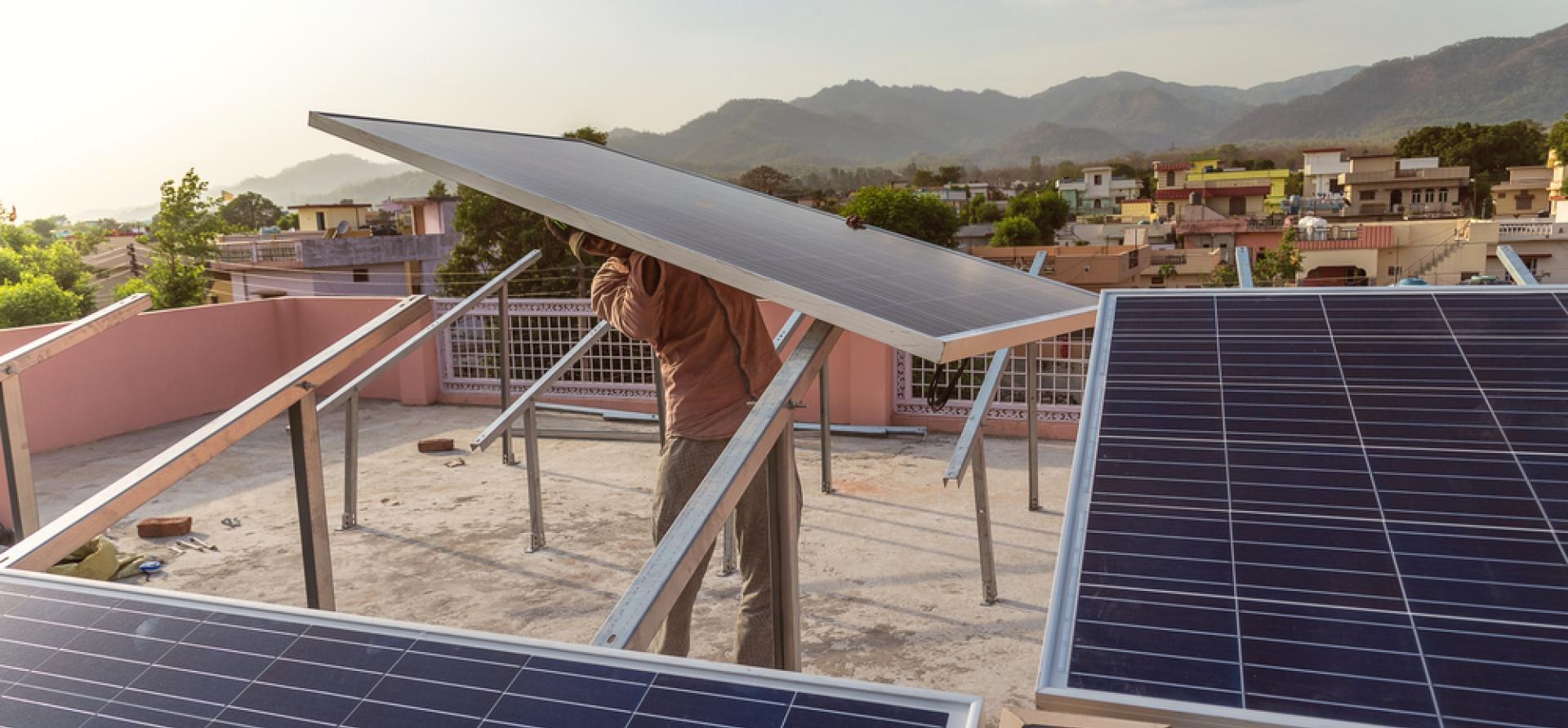
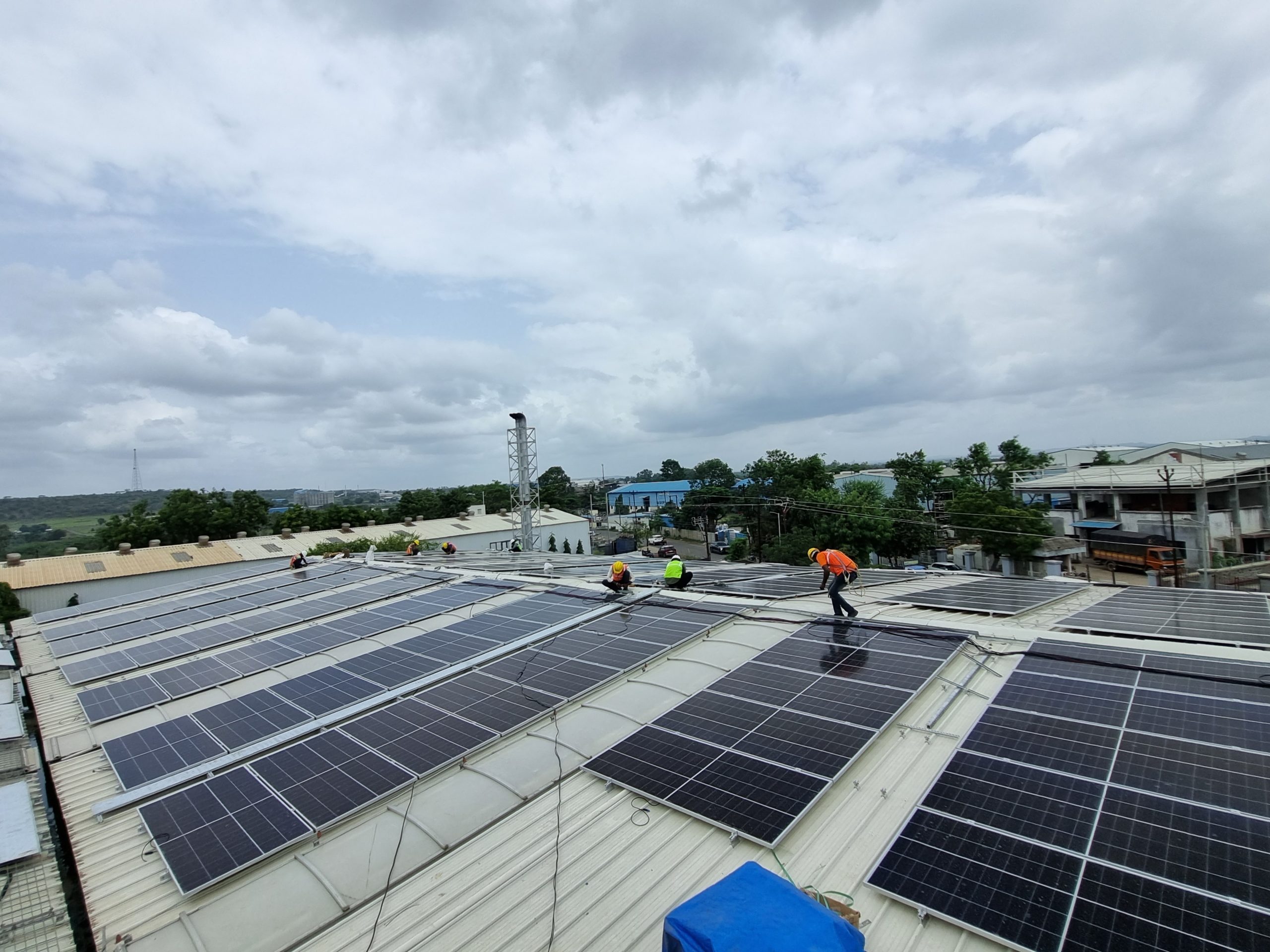
Krishi Polymers | 50% Reduction in Electricity Bills
Client
Mr. Ramesh Kumar
Location
Chennai, Tamil Nadu
Installed On
2026-04-15
System Size
391 kW
Project Type
Industrial Roof
System Type
On-Grid using String Inverter
Industrial solar projects refer to the deployment of photovoltaic (PV) or concentrated solar power (CSP) systems specifically designed to meet the substantial energy demands of industrial facilities. These projects range from rooftop arrays on factory buildings to massive ground-mounted solar farms that power entire industrial parks or energy-intensive processes like steelmaking, cement production, chemical manufacturing, and textile processing.
Unlike residential or small commercial systems, industrial solar is characterized by large scale (typically 100 kW to hundreds of megawatts), direct integration with industrial operations, and a primary focus on self-consumption to reduce grid dependence and energy costs.
Core Purpose
The fundamental goal of an industrial solar project is to provide clean, reliable, and cost-effective electricity for manufacturing and industrial processes. By generating power on-site or nearby, industries can:
Lower operating expenses by replacing grid electricity (which often includes demand charges, taxes, and transmission fees) with cheaper solar power.
Enhance energy security by reducing vulnerability to grid outages, voltage fluctuations, and fossil fuel price volatility.
Meet sustainability targets including carbon neutrality commitments, ESG (Environmental, Social, Governance) criteria, and compliance with carbon taxes or renewable purchase obligations (RPOs).
Improve corporate image as a responsible, forward-thinking enterprise.
Common Deployment Models
Model Description Typical User
Captive (Owned) Industry invests upfront to own the solar plant. Large corporations with capital availability.
RESCO / PPA Third-party developer owns, operates, and maintains the system; industry buys power at a fixed lower rate. Industries wanting zero upfront cost.
Group Captive Multiple industries jointly own a solar plant located elsewhere, sharing the power and investment. Clusters of small-to-mid-sized industries.
Open Access Industry buys solar power from a remote utility-scale plant via the grid, paying wheeling charges. Industries with limited on-site land or roof space.
Types of Installations
Project Gallery